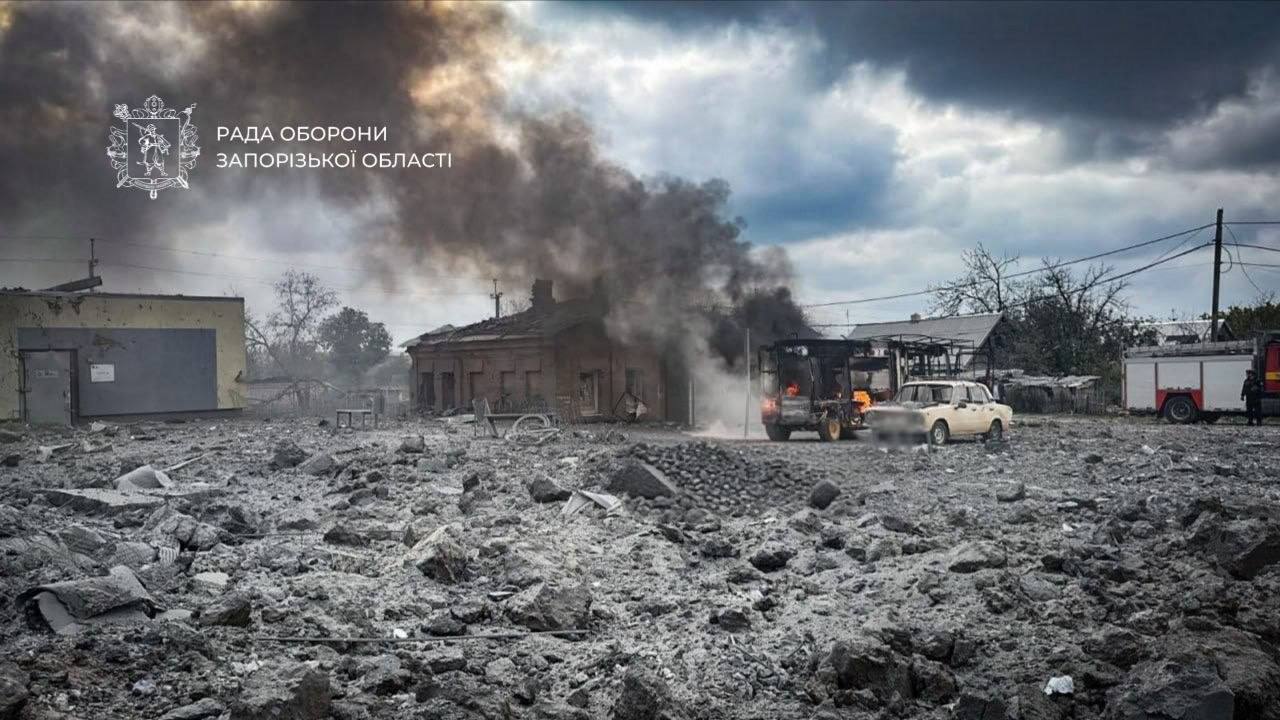
Russian aerial strikes struck a school being used as a humanitarian aid distribution point in Komyshuvakha, Zaporizhzhia Oblast, killing at least 26 people and injuring five others. The deadly attack highlights the continuous danger faced by civilians and first responders near the front lines in southeastern Ukraine.
According to reports from Ukraine's State Emergency Service, the assault began in the morning when initial strikes hit the local school facility. The building regularly served as a hub where residents gathered every week to receive essential supplies. Following the first wave, emergency crews and police officers rushed to the site to clear debris and assist victims. A second bombardment consisting of nine aerial bombs subsequently targeted a nearby shelter where civilians and rescue workers had sought refuge.
Among the dead were two first responders, Denys Konovalenko and Oleksii Sushchevskyi, both 44 years old, along with four police officers. Konovalenko had served in civil protection for nearly twelve years, while Sushchevskyi had been with fire and rescue units in Zaporizhzhia since 2013. Both men had previously received state honors for their service and leave behind families, including four children.
Impact on Front-Line Communities
The bombardment destroyed a gymnasium, an outbuilding, and a emergency fire vehicle, while inflicting extensive damage on the primary school structure. Komyshuvakha, situated roughly 20 kilometers from the active front line, has faced heightened vulnerability to heavy aerial bombardment, including the frequent deployment of guided glide bombs fitted with wing kits. These munitions allow aircraft to strike targets from dozens of kilometers away, minimizing exposure to air defense systems.
Ukrainian authorities condemned the act, noting that the repeated strikes on a known aid point demonstrate a clear intent to disrupt vital civilian relief efforts in vulnerable zones.
Global Reaction and Accountability
The ongoing destruction of civilian infrastructure and aid facilities continues to provoke intense international criticism. Observers note the profound human toll exacted on communities relying on local assistance hubs simply to access basic necessities.
"The damage these handfuls of world 'leaders' inflict on the real human society will take so long to heal from and to cure. This is sickening, and so disheartening."
As emergency workers continue recovery operations in Komyshuvakha, the attack serves as a stark reminder of the extreme risks borne by aid workers and emergency responders operating within reach of front-line combat operations.

