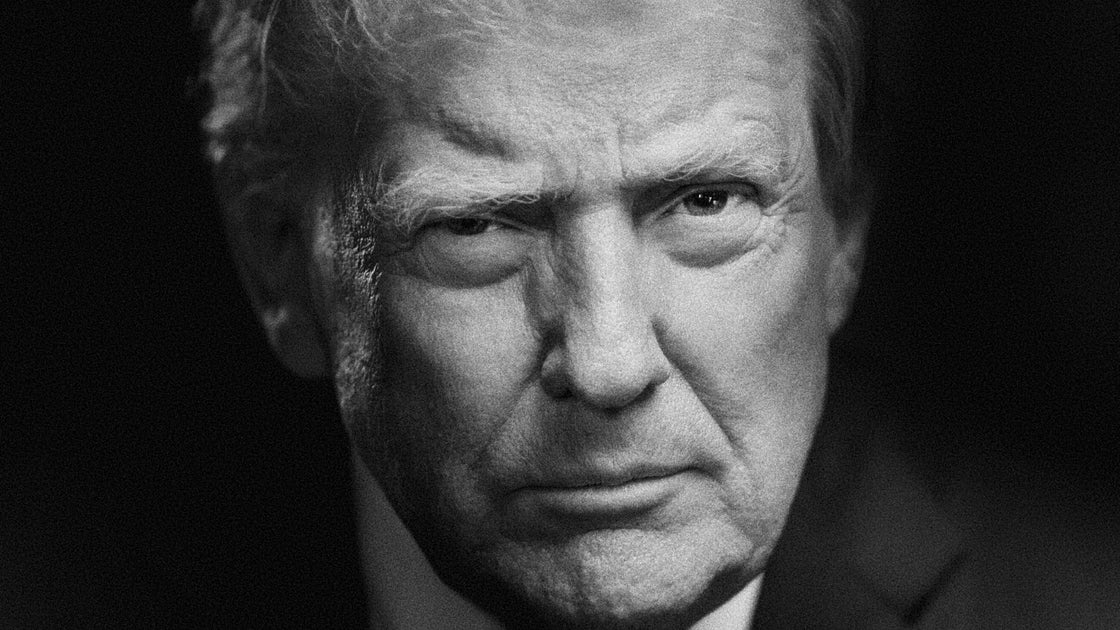
As voters head to the polls across the country, the midterm elections are serving as a high-stakes referendum on the current direction of national governance. After two years marked by major legislative shifts, sweeping foreign policy decisions, and aggressive economic measures like expanding tariffs, lawmakers are facing their ultimate report card from the public. The outcomes could reshape the balance of power in Washington, determine control of state capitals, and set the trajectory for the remainder of the presidential term.
At the forefront of voters' minds is a fraught economic landscape. Across regions, families are grappling with persistent cost-of-living challenges, with inflation, elevated grocery bills, and gas prices weighing heavily on everyday budgets. Political observers emphasize that public frustration over these kitchen-table issues often cuts straight through partisan messaging, leaving incumbents vulnerable regardless of their platform or campaign spending.
The Battle Over Economic Concerns
Opposition candidates have aggressively targeted the administration's economic record, pointing to escalating trade disputes and international conflicts as primary drivers of domestic financial strain. Campaign messaging has focused heavily on the ripple effects of rising consumer costs, promising legislative intervention on everything from healthcare affordability to energy expenses.
High-profile figures making final campaign stops have urged voters to leverage their ballots directly against legislative initiatives that curtailed social safety nets or added friction to key trade relationships. In high-stakes Senate and gubernatorial contests, challengers argue that economic relief can only come through a fundamental shift in congressional oversight and policy priorities.
Conversely, supporters of the administration argue that aggressive trade stances and tax adjustments are necessary long-term strategies for economic self-reliance. Republican candidates have largely aimed to reframe the debate, warning voters that shifting power back to the opposing party would lead to increased regulation and spending. To counter opposition momentum, major fundraising efforts and political action committees have poured unprecedented capital into contentious races.
Differing Forecasts and High Voter Suspense
Heading into election day, statistical models and polling averages suggested substantial opportunities for shifts in control across key House districts, competitive Senate seats, and crucial governorships. Projections indicated the potential for major seat flips in traditionally safe territory, driven by turnout shifts among key demographics.
However, voters and analysts alike remain cautiously watchful, aware that high-profile polling has faced reliability challenges in recent political cycles. Many citizens express deep skepticism toward pre-election forecasts, choosing to focus instead on actual vote tallies as they begin rolling in.
"Polls are actually the most accurate tool we have to assess the political scenario, which is not to say it's infallible. You simply did not understand that they're not a forecast, prediction or magical number that can be taken at face value."
For many voters, the psychological strain of waiting for returns reflects broader anxieties about the country's direction. The debate over whether economic concerns or foundational governance issues take precedence continues to split the electorate, with surveys showing nearly equal concern over the immediate cost of living and the stability of democratic institutions.
"I thought the '16 and '24 elections were in the bag because of polls... and until all the votes have been tallied and they are officially called I'm not getting my hopes up."
High-Stakes Consequences for National Policy
The final outcomes will carry immediate administrative and legislative ramifications. Should control of Congress shift, the administration will face intensified oversight, subpoena power from House committees, and a likely pause on signature legislative ambitions. State-level results will similarly determine how national policies on healthcare, reproductive rights, and trade implementation play out at the local level.
As polls close and ballot counting gets underway, the result will provide a definitive measure of public sentiment—signaling whether voters favor continuity or are demanding a sharp pivot in national strategy.

